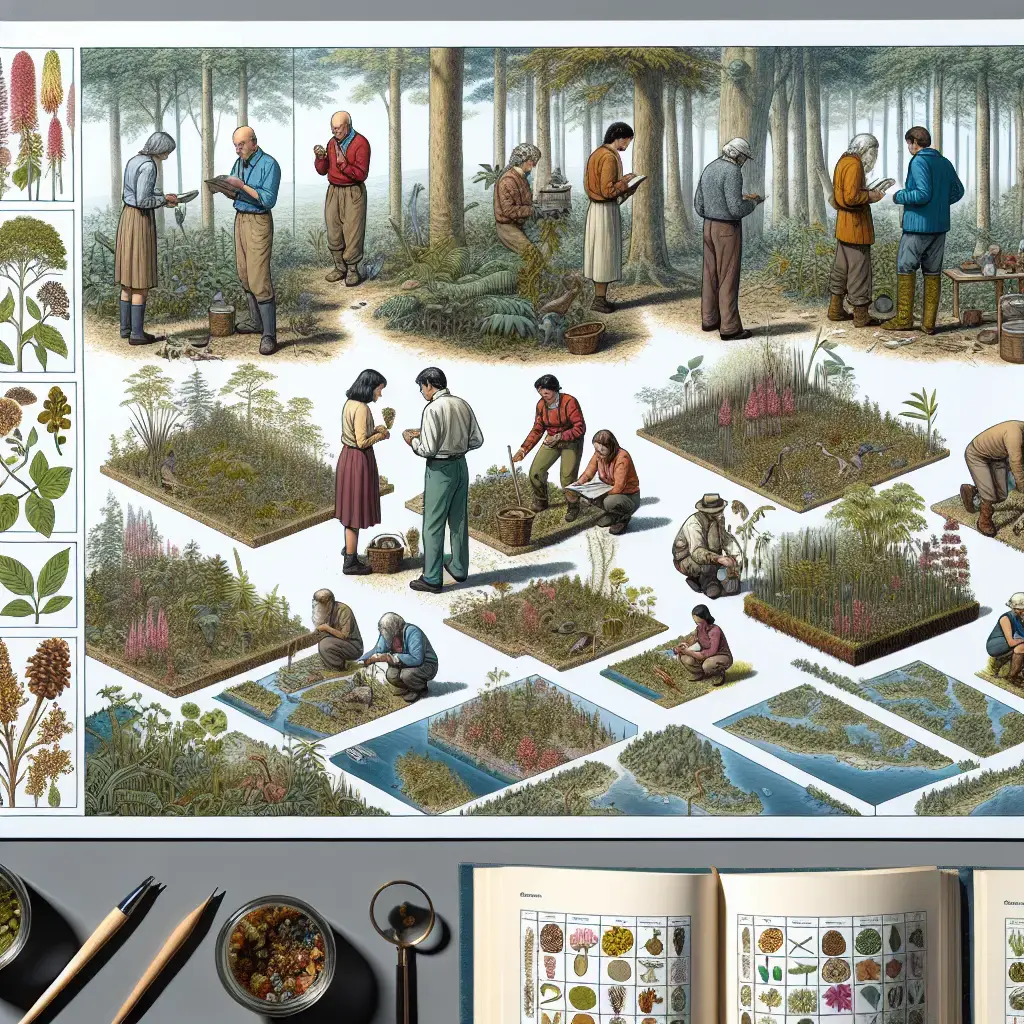
Exploring the Art of Foraging: A Journey into Local Ecosystems
Exploring the art of foraging offers a thrilling journey into the heart of our natural surroundings, inviting you to understand and interact with local ecosystems in a way that is both educational and rewarding. Foraging basics are essential for anyone looking to connect more deeply with nature, providing insight into the intricate dance of local flora and fauna. As a beginner foraging enthusiast, you're embarking on an exciting adventure that goes beyond mere nature exploration. It's about building a comprehensive ecosystem knowledge, learning the secrets of wild food foraging, and experiencing the joy of identifying wild edibles.
Foraging Basics: Understanding Local Ecosystems
Embarking on the journey of foraging opens up a world of wonder and insight into the natural ecosystems around us. Understanding local ecosystems is crucial for safe and sustainable foraging practices. This section delves into how recent scientific advancements and ecological insights can enhance our understanding and interaction with nature, ultimately enriching the foraging experience.
The Importance of Local Ecosystems in Foraging
Understanding local ecosystems is foundational to successful foraging. Each environment hosts a unique array of flora and fauna, all playing distinct roles in the ecological web. Foraging isn’t just about gathering wild edibles; it’s about recognizing the delicate balance of these systems. A recent study on aboveground and belowground biodiversity underscores how diverse plant and soil microbial communities contribute independently to ecosystem functions, highlighting the interconnectedness essential for sustainable foraging practices.
Recent Scientific Insights
Floral Diversity and Foraging:
Integrated vegetation management within electrical transmission landscapes is promoting floral resource diversity and attracting a variety of flower-visiting insects. These findings suggest that even areas typically seen as utilitarian can become rich ecosystems that support biodiversity (source). For foragers, this means new opportunities to explore unexpected spaces for edible plants.Behavioral Insights from Bonobos:
Studies on increased alertness in bonobos responding to outgroup cues provide insights into social cohesion's role in ecosystem dynamics (source). This social aspect can be mirrored in human communities where shared foraging experiences strengthen group bonds, enhancing community knowledge of local ecosystems.Bat Echolocation and Habitat Mapping:
Advances in automating the detection of feeding buzzes in bat echolocation are transforming how we map habitats and understand their biodiversity (source). Foragers can use such data to identify areas rich in biodiversity, which often indicate abundant resources for sustainable foraging.
Practical Foraging Tips for Beginners
Local Plant Identification
Utilize an edible plants guide to familiarize yourself with native species. Apps and field guides provide visual aids to help identify local flora, minimizing risks associated with misidentification.
Seasonal Foraging
Understanding the rhythm of nature is vital. For instance, knowing when certain berries ripen or when mushrooms appear can guide your seasonal foraging activities. This aligns with the natural cycles and ensures you harvest at peak times.
Wildcrafting Essentials
Equip yourself with basic tools like a basket, gloves, and pruning shears. Consider joining workshops or guided tours to develop skills in identifying wild edibles safely.
Sustainable Practices and Foraging Safety
Sustainable foraging ensures that ecosystems remain vibrant and productive. Here are some guidelines:
Respectful Harvesting
Follow the principle of "leave no trace." Take only what you need, ensuring enough remains for wildlife and future growth.
Be Mindful of Wildlife
Recognize that areas where you forage are habitats for local fauna. Disrupting these environments can have cascading effects on the ecosystem.
Safety First
Always cross-reference plants with a reputable edible plants guide before consumption. Educate yourself on potential lookalikes, which could be harmful or even toxic.
Case Studies and Real-World Examples
One intriguing case involves the Tsimane people of Bolivia, known for their exceptional heart health attributed to their active lifestyle closely tied to nature (source). Their deep connection with the environment serves as an inspiring model for modern foragers seeking holistic well-being through natural exploration.
Another example is the role of vultures in nutrient cycling, as seen in taphonomic studies on early scavenging behaviors. This highlights how every element within an ecosystem contributes to its overall health, a perspective vital for foragers aiming to maintain ecological integrity.
Engaging with the Foraging Community
Are you ready to deepen your understanding of local ecosystems through foraging? Engage with online forums, attend community workshops, or participate in citizen science projects that track plant distribution and wildlife activity. Sharing experiences with fellow enthusiasts not only builds your knowledge base but also strengthens communal ties reminiscent of historical practices observed in various cultures.
Conclusion
In conclusion, foraging is an enriching journey that deepens our connection with the natural world, emphasizing the importance of understanding and respecting local ecosystems. Here are the key takeaways:
Understanding Local Ecosystems:
Recognize the unique roles flora and fauna play in maintaining ecological balance. Utilize scientific insights to enhance your foraging experience, such as the biodiversity contributions highlighted in recent studies.Recent Scientific Insights:
Explore unexpected areas like electrical landscapes for diverse floral resources. Appreciate the social dynamics and biodiversity mapping tools that can guide your foraging.Practical Foraging Tips:
Equip yourself with the knowledge of local plants and their seasonal cycles. Practice wildcrafting with appropriate tools and guidance for safe foraging.Sustainable Practices:
Engage in respectful harvesting and remain mindful of the habitats you explore. Prioritize safety by cross-referencing plant identifications with reliable guides.Community Engagement:
Strengthen your foraging journey by connecting with community groups and participating in citizen science projects.
As you continue exploring the art of foraging, remember it’s more than gathering food; it’s about becoming a steward of nature. By integrating these insights and practices, you contribute to preserving our ecosystems for future generations. Let your curiosity lead you to new discoveries and a deeper appreciation for the intricate dance of local flora and fauna.
We invite you to share your own foraging experiences and insights in the comments. How has your understanding of local ecosystems evolved through foraging? Your stories enrich our community and inspire others on their path to sustainable exploration.
Happy foraging, and may your adventures be as nourishing as they are enlightening!
Author: Fiona Gallagher