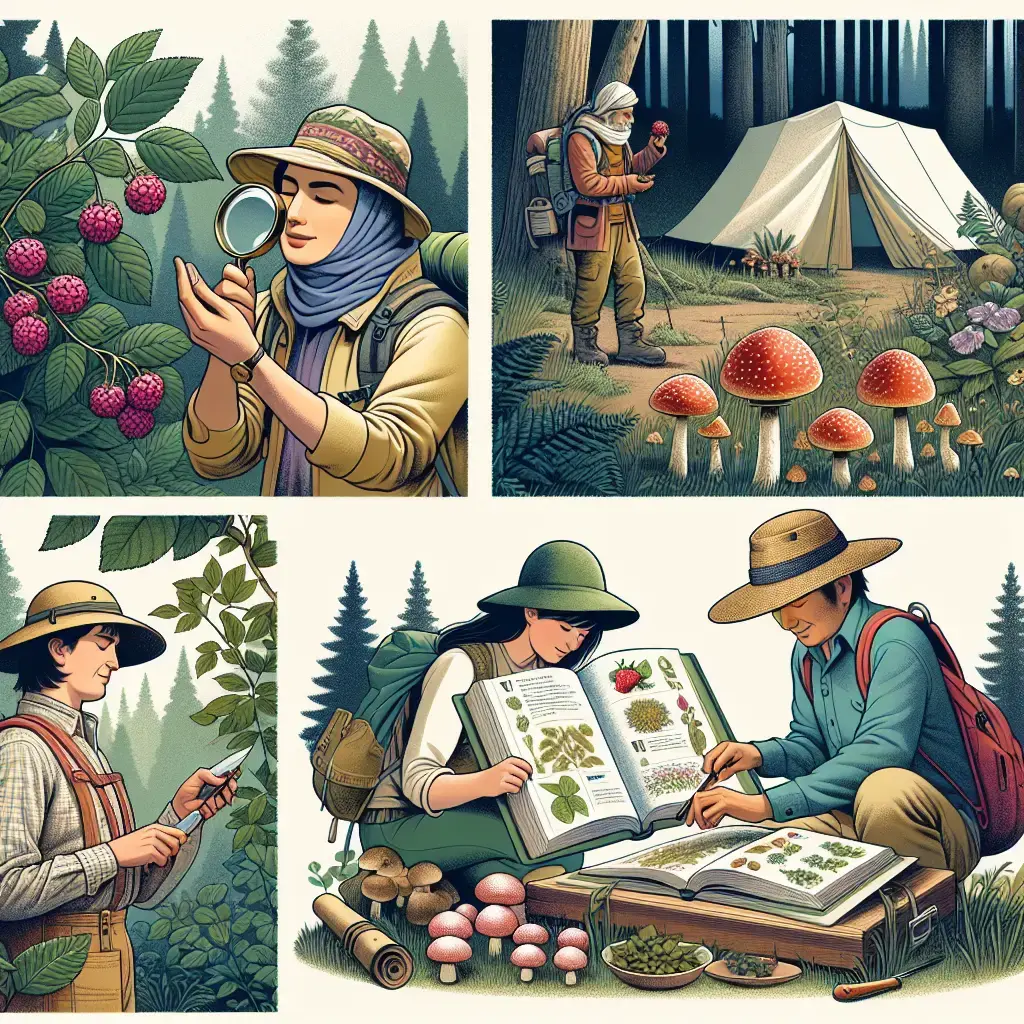
Embarking on a foraging adventure is a thrilling way to connect with nature, discover wild edibles, and embrace sustainable living. However, for beginners, ensuring safety is paramount. This section provides essential foraging safety tips and practices to help you navigate this rewarding activity with confidence and care.
Understanding the Basics of Safe Foraging Practices
Foraging is an art that requires both knowledge and caution. Safe foraging practices involve understanding your environment, recognizing the importance of accurate plant identification, and being aware of potential ecological impacts. Recent research highlights the complex interactions within ecosystems. For instance, studies on Atlantic ghost crabs affecting shorebird nesting sites emphasize the delicate balance in nature, encouraging responsible harvesting practices.
Importance of Safe Plant Identification
One of the most critical skills in foraging is safe plant identification. Mistaking a toxic plant for an edible one can lead to severe consequences. Beginners must invest time in learning how to identify edible plants accurately. Resources like field guides and mobile apps are invaluable tools in this learning process. Similar to how organisms, like ants, undergo physiological changes in response to environmental factors, plants may exhibit variations that make identification challenging, underscoring the need for thorough research and education.
Foraging Mistakes to Avoid
Avoiding common foraging mistakes is essential for personal safety and environmental conservation. Practices that seem harmless can significantly damage ecosystems. Overharvesting, for example, can disrupt local flora and fauna, leading to long-term ecological harm. Beginners should strive to leave no trace and only harvest what they need.
Safe Wild Mushroom Foraging
Foraging for mushrooms adds an exciting dimension to wild food exploration but comes with its own set of challenges. Safe wild mushroom foraging requires extra caution due to the presence of look-alike species that may be toxic. Beginners should start by learning about common edible mushrooms in their area and consulting experts or joining local mycological societies for guidance.
Foraging with Children: Safety Considerations
Foraging with children can be a delightful way to introduce young explorers to the wonders of nature. However, it demands heightened awareness and adherence to wild food safety protocols. Ensure that children are closely supervised and educated about identifying edible plants versus poisonous ones. Integrating safe foraging practices into family outings ensures safety while fostering a love for nature among children.
Equipping Yourself: Foraging Equipment for Beginners
Equipping yourself with the right tools is crucial for beginner foraging safety. Here’s a beginner foraging checklist to prepare you for any adventure:
- Field Guide or Plant Identification App: Essential for safe plant identification.
- Basket or Foraging Bag: To collect finds without damaging them.
- Knife or Scissors: For harvesting plants without harming them.
- Notebook and Pen: For jotting down observations and notes.
- Protective Gear: Such as gloves and long sleeves to protect against thorns or irritants.
Using the right equipment not only aids in safe foraging practices but also enhances the overall experience by making it more efficient and enjoyable.
Avoiding Poisonous Plants
Learning how to avoid poisonous plants is a critical component of a beginner foraging guide. Some plants have toxic look-alikes, making safe plant identification essential. It’s advisable to start with easily recognizable edible plants and gradually expand your knowledge base.
The Role of Knowledge: Embrace the Foraging Dos and Don'ts
Knowledge is your most valuable tool when it comes to safe foraging. By embracing these foraging dos and don'ts, you'll ensure your safety while deepening your appreciation for the natural world:
- Do: Research thoroughly before venturing out.
- Don't: Rely solely on memory; always cross-check with reliable sources.
- Do: Start small and gradually increase the diversity of plants you forage.
- Don't: Harvest endangered or rare species.
Case Study: Wildlife Interactions
Recent studies, such as those on wild boar interactions with human activities, illustrate the dynamic between wildlife and human behaviors in foraging contexts. Understanding these interactions can guide beginners in respecting wildlife habitats while minimizing disturbances.
Conclusion: Embrace Safe and Responsible Foraging
Foraging offers a unique opportunity to connect with nature sustainably. By following these beginner foraging safety tips and adhering to safe foraging practices, enthusiasts can enjoy a rewarding and safe exploration of wild edibles. Remember that every step into nature is a chance to learn and grow—embrace it with responsibility and curiosity.
As you venture into this rewarding activity, keep these key points in mind to ensure both your safety and the health of our ecosystems:
- Prioritize Plant Identification: Accurate identification is paramount. Utilize field guides, apps, and expert consultations to avoid confusing toxic plants with edible ones.
- Avoid Common Mistakes: Remember that actions like overharvesting can damage ecosystems. Always take only what you need and strive to leave no trace.
- Mushroom Foraging: Exercise extra caution due to toxic look-alike species. Learning from experts or joining local mycological societies can offer invaluable guidance.
- Foraging with Children: Educate and supervise young explorers, instilling safe practices and a love for nature.
- Equip Yourself Properly: Use essential tools like plant identification apps, protective gear, and collection bags to enhance your experience.
Understanding the delicate balance within ecosystems helps inform responsible harvesting. Recent studies on wildlife interactions remind us of the importance of respecting habitats.
Embrace the dos and don'ts of foraging: research thoroughly, cross-check information, start small, and avoid harvesting rare species. Your knowledge is your greatest ally.
As you embark on this journey, reflect on the role you play in preserving nature's beauty. Share your experiences and insights in the comments below—your stories can inspire others.
Remember, every step into the wild is an opportunity to learn and grow. Approach it with curiosity and responsibility, ensuring that your adventures are both safe and enriching.
For further reading on safe foraging practices, visit National Geographic's Guide on Foraging or consult The American Herbalist Guild for expert insights.
Happy foraging!
Author: Fiona Gallagher