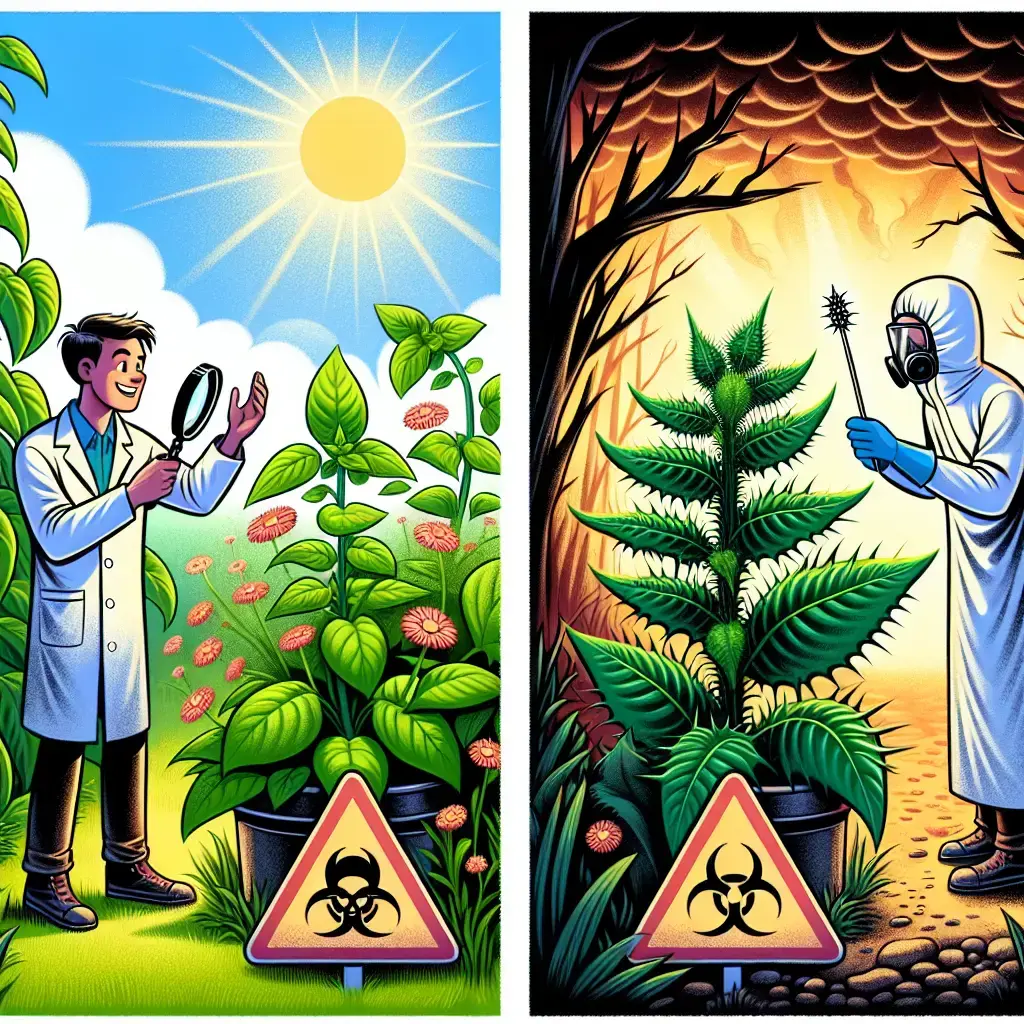
In the captivating world of wild plant foraging, the ability to distinguish between edible and toxic plants is a crucial skill that can make the difference between a delightful adventure and a perilous ordeal. Whether you're a seasoned forager or a curious novice, mastering the identification of edible and toxic plants is essential for ensuring safety while exploring nature's bounty. As you navigate the wilderness, recognizing the subtle differences between edible and toxic plants becomes an invaluable asset.
Understanding how to identify edible and toxic plants is not just about survival; it's about connecting with nature in a meaningful way. Safe wild plants to eat are abundant, yet their toxic counterparts are often deceptively similar, making knowledge of poisonous plants and distinguishing them from edible ones vital. Wild plant foraging tips can enhance your skills, offering insights into edible plant safety and toxic plant warning signs that could save you from unfortunate mishaps.
With nature being a generous provider, identifying safe wild plants requires a keen eye and a mindful approach. Edible plant characteristics often share similarities with their toxic lookalikes, posing challenges even for experienced enthusiasts. Being aware of common poisonous plants and learning to recognize toxic plant symptoms can significantly enhance your foraging experience.
Exploring plant safety in the wild is an adventurous endeavor that demands respect for nature’s complexities. Foraging edible plants safely involves more than just identifying them; it’s about understanding their environment and potential risks. Plant identification tips serve as a guide, helping you navigate this intricate landscape with confidence.
As we delve deeper into this fascinating subject, we'll explore practical strategies and insights that will empower you to forage with assurance. From recognizing edible plant lookalikes to understanding toxic plant symptoms, the journey ahead promises both education and excitement. Now, let’s transition into the heart of the matter, where we uncover the secrets of identifying safe wild plants and ensuring a rewarding and secure foraging experience.
Identifying Edible vs Toxic Plants: A Comprehensive Guide
Understanding the Basics of Plant Identification
In the fascinating realm of wild plant foraging, identifying edible plants versus toxic ones is not just a skill—it's a crucial survival tool and a way to connect with nature. Edible plants identification and toxic plants identification are fundamental aspects that foragers must master to safely enjoy nature's bounty. With a plethora of safe wild plants to eat and many common poisonous plants lurking in the same habitats, distinguishing edible and poisonous plants is paramount.
The Science Behind Plant Safety
Recent research sheds light on how ecological and evolutionary mechanisms can impact plant identification. Understanding how phenotypic plasticity influences plant characteristics can enhance our ability to distinguish between edible and toxic plants. For instance, studies on ants' reproductive plasticity mediated by neuroparsin-A underscore the importance of physiological changes in response to environmental cues (source: Nature). Similarly, this adaptability can be seen in plant species that mimic their toxic counterparts as a survival strategy.
Practical Wild Plant Foraging Tips
Foraging edible plants safely involves more than just recognizing them. It's about understanding their environment and potential risks. Here are some practical wild plant foraging tips to help you navigate:
- Observe the Environment: Pay attention to the plant's surroundings. Plants growing near contaminated water sources or industrial areas may be unsafe despite being inherently non-toxic.
- Use a Reliable Poisonous Plants Guide: A comprehensive guide can provide detailed information on toxic plant warning signs and symptoms.
- Cross-Reference Multiple Sources: Always confirm your findings using multiple reputable sources to ensure accurate plant identification.
Case Study: Wild Boars and Human Interaction
The interaction between wild boars and human activities provides insight into the dynamics of plant consumption in natural settings. Wild boars often forage for anthropogenic food waste, which can include toxic plants. Understanding these interactions is crucial for managing infectious diseases like African swine fever (source: Journal of Wildlife Management). This case study highlights the importance of recognizing toxic plants in areas of human-wildlife overlap.
Recognizing Toxic Plant Symptoms
Identifying toxic plant symptoms is essential for ensuring safety during foraging. Toxic plant symptoms can range from mild irritation to severe allergic reactions or poisoning. Some common symptoms include:
- Gastrointestinal Distress: Nausea, vomiting, or diarrhea.
- Dermal Reactions: Rashes or itching after contact.
- Neurological Effects: Dizziness, confusion, or hallucinations.
Edible Plant Characteristics
Safe wild plants to eat often share specific characteristics, such as:
- Bright, Non-Mimicking Colors: Many edible plants have distinct colors that do not mimic their toxic counterparts.
- Distinctive Aromas: Some edible plants have characteristic smells that can help in identification.
- Documented Edibility: Ensure the plant has been documented as safe by reputable sources.
Impact of Human Practices on Ecosystems
Human practices significantly impact ecosystems, affecting both edible and toxic plants. A recent study highlights 10 common practices damaging ecosystems, emphasizing the need for sustainable foraging practices (source: Ecological Applications). Sustainable foraging not only preserves plant diversity but also ensures the availability of safe wild plants for future generations.
Plant Safety in the Wild: An Interactive Approach
Engaging with nature responsibly requires an interactive approach to plant safety in the wild. Consider these strategies:
- Participate in Foraging Workshops: Join local workshops or guided tours to learn from experienced foragers.
- Use Technology: Apps and online databases can assist in real-time plant identification.
- Engage with Local Experts: Connecting with local botanists or mycologists can provide valuable insights into regional flora.
Conclusion: Empowering Your Foraging Experience
Foraging for wild plants is a skill that combines knowledge, awareness, and a deep connection with nature. Mastering the art of distinguishing between edible and toxic plants is essential for safe and successful foraging. Here are some key takeaways from our comprehensive guide:
Understanding Plant Identification: Recognizing the importance of distinguishing between safe and poisonous plants is fundamental for any forager. Developing this skill connects you more deeply to nature.
Science and Plant Safety: Familiarize yourself with how ecological and evolutionary factors, like phenotypic plasticity, influence plant characteristics. This knowledge enhances your ability to differentiate between edible and toxic species.
Practical Foraging Tips: Always observe your surroundings, use reliable guides, and confirm identifications through multiple sources to ensure safe foraging practices.
Recognizing Symptoms of Toxicity: Stay alert to symptoms such as gastrointestinal distress, dermal reactions, or neurological effects that may indicate contact with toxic plants.
Characteristics of Edible Plants: Look for bright, non-mimicking colors, distinctive aromas, and documented edibility in plants.
Impact of Human Activities: Adopt sustainable foraging practices to protect ecosystems and preserve plant diversity for future generations.
Interactive Learning: Participate in workshops, utilize technology, and connect with local experts to enhance your foraging skills and knowledge.
As you embark on your foraging adventures, remember that knowledge empowers you to explore confidently and responsibly. Reflect on the interconnectedness of ecosystems and your role in preserving nature's treasures. We invite you to share your experiences and insights on this journey—your stories enrich our understanding and appreciation of the natural world.
Thank you for joining me in exploring the fascinating world of wild plant foraging. Let us continue to learn and grow together as stewards of our environment. For more resources and expert advice on foraging practices, consider visiting EatTheWeeds.
Happy foraging!
Fiona Gallagher