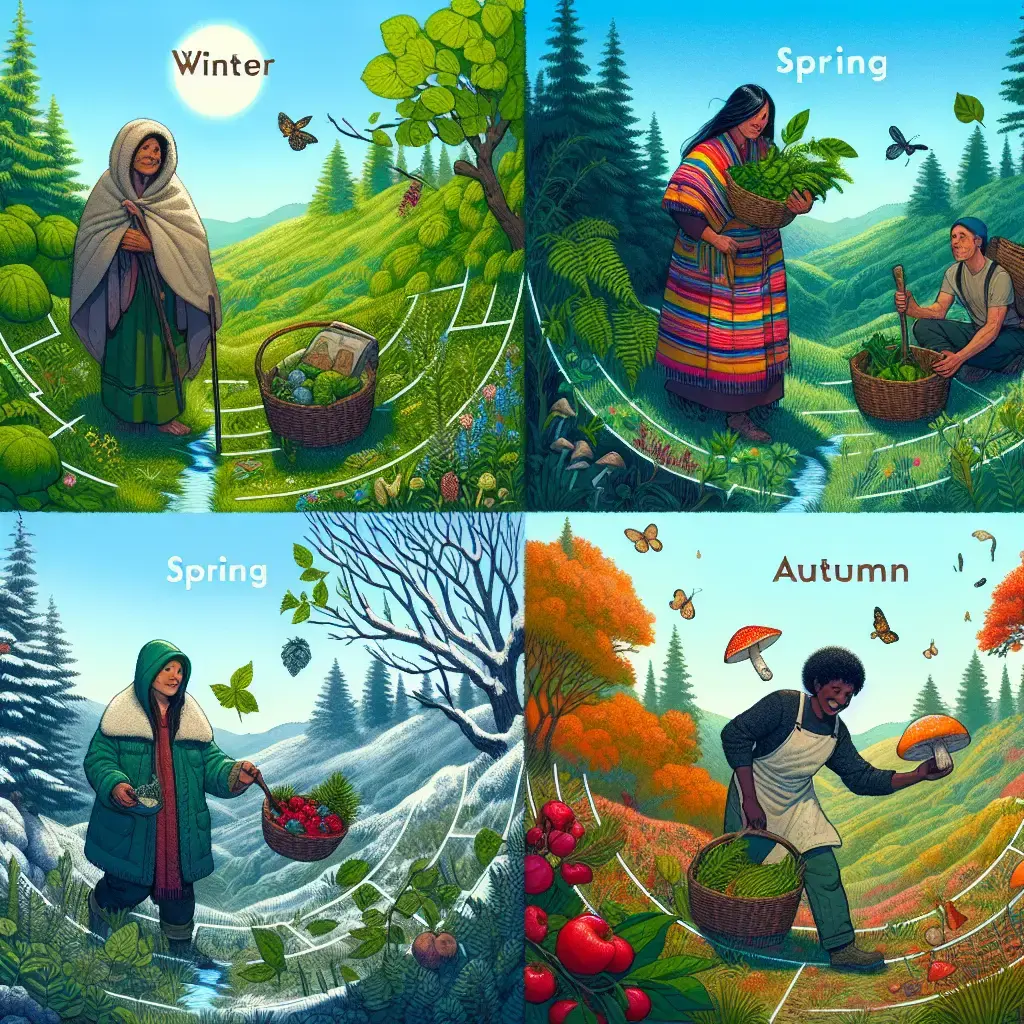
Introduction to Seasonal Foraging
Foraging has experienced a renaissance, captivating nature enthusiasts and food lovers alike. This guide to seasonal foraging is designed to navigate the world of wild edibles, offering insights into what to harvest throughout the year. With a focus on sustainable foraging, this resource serves both novice foragers and seasoned experts eager to deepen their knowledge of edible plants and mushrooms.
Imagine stepping into nature’s pantry, guided by a foraging calendar that unveils the bounty of each season. In spring, the earth awakens with vibrant wild herbs, while summer presents a colorful array of fruits and flowers ripe for the picking. Autumn's golden hues bring forth an abundance of nuts and edible mushrooms, and winter offers the challenge of discovering hardy greens that brave the cold. Year-round foraging transforms ordinary walks into treasure hunts for seasonal wild foods.
However, successful foraging requires more than just enthusiasm; it demands knowledge and respect for nature. Our comprehensive foraging guide provides essential tips to ensure safety and sustainability. Learn about wild food identification, local opportunities, and crucial safety protocols. Through this journey, you'll uncover a connection to the land and its offerings, enhancing your appreciation of local ecosystems.
The ancient art of seasonal foraging has made a significant comeback, offering an enticing avenue for both nature enthusiasts and food lovers to explore the world of wild edibles. Understanding what to harvest throughout the year is crucial. A reliable foraging guide is essential to navigate these opportunities, and this section will delve into the specifics of seasonal foraging. With a focus on sustainability and respect for nature, we’ll explore the intricacies of wild herbs, edible mushrooms, and other seasonal wild foods, ensuring your foraging journey is both safe and rewarding.
Spring: Nature's Awakening
Spring heralds a time of renewal, with vibrant wild herbs emerging from the earth. This season offers an abundance of fresh greens that are not only delicious but packed with nutrients. Foraging in spring involves identifying plants like wild garlic, dandelion greens, and nettles. These edible plants are relatively easy to identify, making them ideal for novice foragers.
Foraging Tips for Spring
- Wild Garlic: Look for its distinctive broad leaves and subtle garlic scent.
- Dandelion Greens: Harvest young leaves before flowers bloom for a less bitter taste.
- Nettles: Wear gloves when collecting to avoid stings; they lose their sting once cooked.
Summer: A Bounty of Fruits and Flowers
Summer is a season of abundance, with a colorful array of fruits and flowers available. Foraging in summer offers the chance to collect berries such as blackberries and raspberries, as well as edible flowers like elderflower. This is also an excellent time for wild food identification practice due to the diversity present.
Foraging Tips for Summer
- Blackberries: Look for plump, dark berries; avoid any that appear shriveled or discolored.
- Elderflower: Harvest when flowers are fully open but before they start to wilt.
- Wild Strawberries: Smaller than cultivated varieties but packed with flavor.
Autumn: The Golden Harvest
Autumn brings a golden hue to the landscape, rich with nuts and edible mushrooms. This is the perfect time for harvesting chestnuts, acorns, and various fungi. However, it’s crucial to have reliable resources to differentiate between safe and toxic mushrooms.
Foraging Tips for Autumn
- Chestnuts: Collect when they fall naturally from trees; they should feel firm and smooth.
- Acorns: Can be processed into flour; gather only mature brown acorns.
- Edible Mushrooms: Only harvest mushrooms you can positively identify; use guides or apps for assistance.
Winter: The Challenge of Hardy Greens
Winter presents unique challenges but also opportunities to discover hardy greens that brave the cold. Foraging in winter involves seeking out plants like wintercress and chickweed. These resilient plants can be found in sheltered areas and offer valuable nutrients during the colder months.
Foraging Tips for Winter
- Wintercress: Look for bright green leaves that resemble a cross between arugula and mustard greens.
- Chickweed: Identify by its small white flowers and vibrant green leaves.
Foraging Safety and Sustainability
Successful foraging demands more than enthusiasm—it requires knowledge and respect for nature. Implementing sustainable practices is critical to preserving local ecosystems.
Key Foraging Safety Protocols
- Know Your Environment: Familiarize yourself with local regulations and protected species.
- Proper Identification: Utilize field guides or mobile apps to confirm plant identities.
- Leave No Trace: Harvest only what you need and tread lightly on delicate ecosystems.
Exploring Regional Habitats
From urban parks to secluded forests, each habitat offers unique treasures waiting to be discovered. Research reveals how increased animal activity affects local ecosystems, highlighting the need for careful site selection during your foraging adventures.
Noteworthy Regional Examples
- Urban Parks: Often house unexpected wild edibles; be mindful of pollution and contamination.
- Secluded Forests: Provide rich opportunities for mushroom hunting; ensure permits are acquired if required.
Conclusion: Embrace the Foraging Journey
In our exploration of seasonal foraging, we've traversed the vibrant landscapes of each season, uncovering the unique bounties they offer. The art of foraging not only nourishes our bodies but also deepens our connection with nature, urging us to adopt sustainable practices that preserve our environment for future generations.
Here are some key takeaways:
Spring Awakening: Embrace the renewal of nature with nutrient-rich wild herbs such as wild garlic and dandelion greens.
Summer Abundance: Delight in the colorful array of summer's offerings, from juicy blackberries to fragrant elderflowers.
Autumn's Golden Harvest: Revel in the rich hues of autumn with nuts and mushrooms, but exercise caution to differentiate safe edibles from toxic counterparts.
Winter Resilience: Discover hardy greens like wintercress and chickweed, showcasing the resilience of nature even in the coldest months.
As you venture into this rewarding endeavor, remember the importance of safety and sustainability. Familiarize yourself with local ecosystems and regulations to minimize your ecological footprint.
The joy of foraging lies not only in the harvest but in the journey itself. As you walk through urban parks or secluded forests, let curiosity guide you, turning each outing into a mindful exploration of nature's seasonal dance. Share your experiences and insights, cultivating a community that cherishes and respects the natural world.
For those eager to delve deeper into sustainable practices, explore this in-depth guide on sustainable harvesting for further inspiration.
May your path be bountiful and your heart remain ever curious.
Warm regards,
Fiona Gallagher